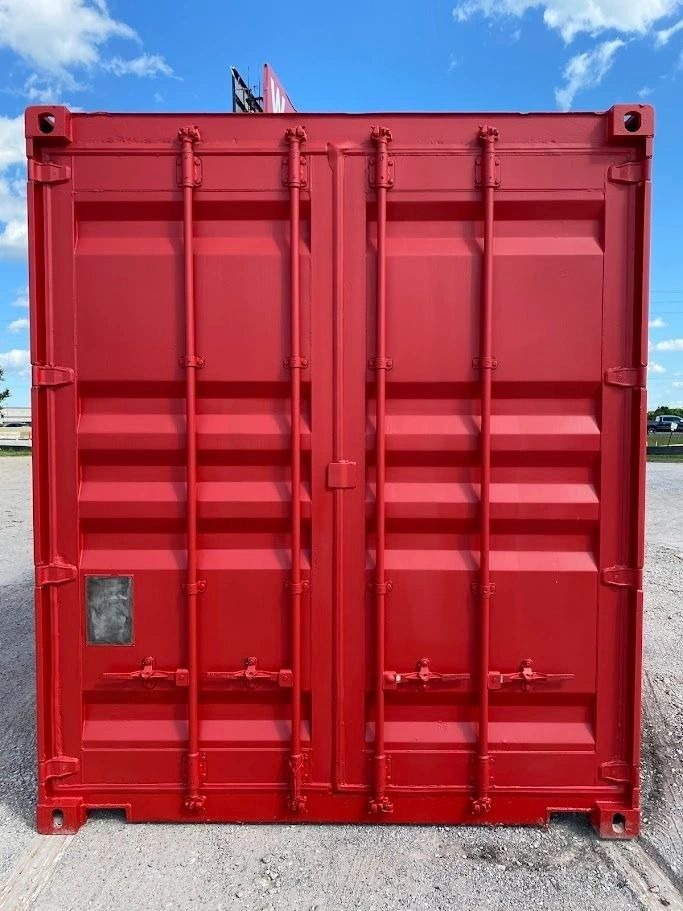
Understanding the 45 Ft Container: A Comprehensive Guide
On the planet of freight transport, the option of container size can significantly impact shipping effectiveness, expense, and logistics management. Among the various options available, the 45-foot container sticks out as a popular option for numerous services. This post looks into the subtleties, benefits, and applications of the 45-ft container while offering insights into its specifications and usage.
What is a 45 Ft Container?
A 45-foot container is an intermodal shipping container that is commonly used for carrying items over cross countries. It is bigger than the traditional 20-ft and 40-ft containers and is particularly designed to accommodate a higher volume of cargo. This container variant generally is available in 2 types: the standard and the high cube, with the latter offering extra height for extra storage capability.
Dimensions and Specifications
When considering a 45-ft container, it's important to understand its dimensions and specifications. Below is a table that lays out the essential characteristics:
| Specification | Standard 45 Ft Container | High Cube 45 Ft Container |
|---|---|---|
| External Length | 13.72 m (45 ft) | 13.72 m (45 ft) |
| External Width | 2.44 m (8 ft) | 2.44 m (8 ft) |
| External Height | 2.59 m (8.5 ft) | 2.89 m (9.5 ft) |
| Internal Length | 13.41 m (44.1 ft) | 13.41 m (44.1 ft) |
| Internal Width | 2.35 m (7.7 ft) | 2.35 m (7.7 ft) |
| Internal Height | 2.39 m (7.9 ft) | 2.69 m (8.9 ft) |
| Maximum Gross Weight | 30,480 kg (67,200 lbs) | 30,480 kg (67,200 pounds) |
| Tare Weight | 4,800 kg (10,500 pounds) | 4,900 kg (10,800 lbs) |
| Volume | 76.4 m ³ (2,688 cu ft) | 85 m ³ (3,000 cu ft) |
The above dimensions suggest that the high cube version of the 45-ft container offers a considerable volume benefit, making it perfect for products that require additional height.
Advantages of Using a 45 Ft Container
The choice of using a 45-ft container features a number of noteworthy advantages:
- Increased Capacity: The primary advantage is the additional area compared to other container sizes, enabling for more goods to be shipped in a single load.
- Expense Efficiency: By making the most of container capability, businesses can minimize shipping expenses per unit, providing more products while minimizing logistic expenses.
- Flexibility: 45-ft containers can be used to transport a wide range of products, including perishables, machinery, and large bulky products.
- Stability and Security: These containers are built to withstand severe ecological conditions and make sure the security of the cargo throughout transit.
- Relieve of Handling: The standard dimensions permit simple loading and discharging at shipping ports, making them a favored choice for worldwide trade.
Common Uses of 45 Ft Containers
The flexibility of 45-ft containers equates into a vast array of applications, including:
- Bulk Cargo: Ideal for transporting bulk products like grains, ores, and heavier commercial products that need more space.
- Durable goods: Perfect for shipping electronic devices, furniture, or appliances that require the additional height and volume.
- Refrigerated Transport: High cube containers are typically used as cooled systems for perishables, supplying adequate space for cooling systems.
- Short-lived Storage: They can act as portable storage options for building sites, occasions, and retail facilities throughout peak season.
Frequently Asked Questions (FAQs)
1. What is the weight limit for a 45-ft container?
The maximum gross weight for a 45-ft container is typically around 30,480 kg (67,200 pounds), but always talk to your shipping service provider for specifics.
2. Can 45-ft containers be shipped via air or rail?
While mostly created for sea transportation, 45-ft containers can also be used in intermodal shipping and can be moved between ships, trucks, and trains.
3. What are the primary distinctions in between a basic and high cube container?
The main difference is height. A high cube container offers additional vertical space, making it ideal for goods that require more room.
4. How should I load a 45-ft container for shipping?
Appropriate packaging includes distributing the weight evenly, securing products to avoid movement, and using appropriate materials for vulnerable items.
5. Are Leg1 Container -ft containers suitable for global shipping?
Yes, they are widely used in global shipping and comply with ISO requirements required for international transport.
The 45-ft container works as an important component in the logistics and freight markets. With its increased capacity, cost-effectiveness, and flexibility, businesses across various sectors can utilize its advantages for effective shipping. Comprehending the specifications, utilizes, and handling of 45-ft containers can play a crucial function in enhancing supply chain operations.
In an increasingly globalized economy, choosing the right container size-- and comprehending its ramifications-- remains critical for successful shipping undertakings. Whether for bulk items, customer products, or short-term storage, the 45-ft container is often the wise choice for transportation requirements. As the shipping landscape continues to progress, so too will container specifications, guaranteeing that businesses stay agile and versatile to changing needs.